

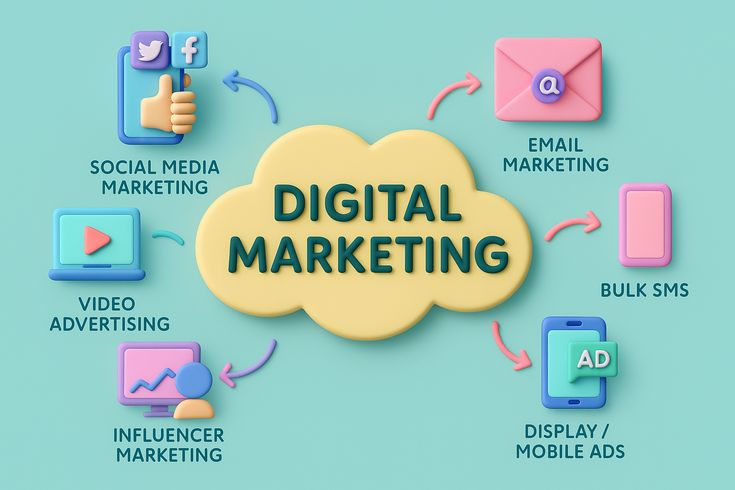
For years, third-party cookies have been the foundation of digital advertising and marketing attribution. Marketers relied on cookies to track user behavior, personalize ads, measure campaign performance, and understand customer journeys across the web. However, the digital marketing landscape is rapidly changing as privacy concerns, new regulations, and browser restrictions are pushing the industry toward a cookieless future.
The death of the cookie is forcing businesses to rethink how they collect data, target audiences, and measure marketing effectiveness. While this transition presents challenges, it also creates opportunities for brands to build more transparent, trustworthy, and sustainable marketing strategies.
Understanding Third-Party Cookies
Third-party cookies are small pieces of code placed on a user’s browser by domains other than the website they are visiting. These cookies allow advertisers and marketers to track users across multiple websites and gather data about browsing behavior.
For years, cookies powered:
- Behavioral advertising
- Retargeting campaigns
- Cross-site tracking
- Audience segmentation
- Marketing attribution models
- Personalized ad experiences
Major advertising platforms depended heavily on this technology to optimize campaigns and improve targeting precision.
Why Cookies Are Disappearing
The decline of cookies is largely driven by growing concerns over online privacy. Consumers are becoming more aware of how companies collect and use their personal data. Governments and technology companies are responding with stricter privacy regulations and browser updates.
Several major developments accelerated this shift:
- Privacy laws like GDPR and CCPA
- Apple’s App Tracking Transparency policies
- Browser restrictions from Safari and Firefox
- Google Chrome’s planned removal of third-party cookies
These changes are reshaping the digital marketing ecosystem and forcing businesses to find alternative ways to understand customer behavior.
The Impact on Digital Marketing Attribution
Marketing attribution refers to identifying which channels, campaigns, or touchpoints contribute to conversions and sales. Third-party cookies made attribution easier by tracking users across devices and websites.
Brands that produce valuable content and optimize for search intent can attract highly relevant audiences organically. Many businesses are also strengthening their authority through partnerships, guest posting, and platforms like noodle magazines to expand their online reach.
Without cookies, marketers face several challenges:
Reduced Tracking Accuracy
Cross-site tracking becomes more difficult when cookies are removed. Businesses may struggle to follow the complete customer journey, especially across multiple devices and platforms.
Limited Retargeting Capabilities
Retargeting ads have been one of the most effective digital marketing strategies for years. Without third-party cookies, advertisers lose access to many behavioral tracking signals used to deliver personalized retargeting campaigns.
Data Fragmentation
Marketers now have to rely on multiple data sources instead of a single cookie-based tracking system. This can create inconsistencies in reporting and attribution models.
Changes in Performance Measurement
Attribution models based heavily on cookies may become less reliable. Marketers must adapt by using alternative measurement techniques and first-party data strategies.
The Rise of First-Party Data
As cookies disappear, first-party data is becoming the most valuable asset in digital marketing. First-party data is information collected directly from customers through owned channels such as:
- Websites
- Mobile apps
- Email subscriptions
- Purchase histories
- Surveys and forms
- Customer accounts
Unlike third-party data, first-party data is collected with direct user interaction, making it more privacy-friendly and reliable.
Businesses are increasingly investing in customer relationship management systems, email marketing platforms, and loyalty programs to strengthen their first-party data strategies.
Alternative Attribution Methods
The cookieless future does not mean attribution is impossible. Instead, marketers are exploring new approaches that prioritize privacy while still delivering useful insights.
Contextual Advertising
Contextual advertising targets users based on the content they are currently viewing rather than their browsing history. This method does not require invasive tracking and is becoming increasingly popular.
Predictive Analytics
Artificial intelligence and machine learning are helping marketers analyze patterns and predict customer behavior without relying entirely on cookies.
Predictive models can estimate conversion likelihood, audience interests, and campaign performance using aggregated data instead of individual user tracking.
Server-Side Tracking
Many companies are moving toward server-side tracking solutions that collect data directly from websites and apps instead of relying on browser-based cookies.
This approach improves data reliability while offering greater control over privacy compliance.
Media Mix Modeling
Media mix modeling analyzes the impact of marketing channels using statistical methods rather than individual-level tracking. Brands are using this technique to measure overall campaign effectiveness in a privacy-first environment.
SEO and Content Marketing in a Cookieless Era
As paid advertising becomes more complex, organic marketing strategies are becoming increasingly important. SEO, content marketing, and brand authority building can help businesses maintain visibility without depending heavily on user tracking.
Link-building strategies remain important for improving search rankings as well. Some companies continue to invest in campaigns that buy seo backlinks to strengthen domain authority and compete in crowded search markets.
Building Consumer Trust
One of the biggest opportunities in the cookieless future is the chance to rebuild trust with consumers. People are becoming more selective about which brands they share data with.
Businesses that prioritize:
- Transparency
- Consent-based marketing
- Data security
- Personalized experiences
- Ethical data collection
will likely gain a competitive advantage.
Consumers are more willing to share information when they understand how it benefits their experience.
The Future of Digital Marketing Attribution
The future of attribution will likely combine multiple technologies and strategies rather than relying on a single tracking method. AI, first-party data, predictive analytics, and privacy-safe measurement tools will shape the next generation of digital marketing.
Marketers who adapt early will be better prepared for future industry changes. The brands that succeed will focus less on aggressive tracking and more on building meaningful customer relationships.
Conclusion
The death of the cookie represents one of the biggest shifts in digital marketing history. While the loss of third-party tracking creates challenges for attribution and advertising, it also encourages businesses to adopt more ethical, transparent, and customer-focused strategies.
By investing in first-party data, AI-driven insights, SEO, and content marketing, brands can continue to thrive in a privacy-first world. Approaches involving noodlemagazin collaborations, quality content creation, and strategic efforts to buy seo backlinks may also help businesses maintain strong online visibility as digital marketing enters its cookieless future.
