

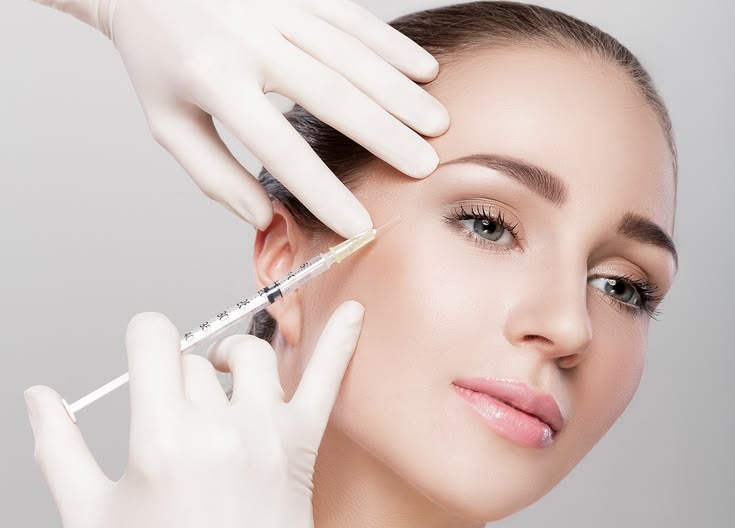
The aesthetics industry is constantly evolving, with new treatments promising younger-looking skin, improved texture, and long-lasting rejuvenation. Among the most talked-about developments in recent years is regenerative aesthetics—a rapidly growing field that focuses on helping the body repair and renew itself rather than simply masking signs of aging.
Unlike traditional cosmetic treatments that primarily add volume or temporarily reduce wrinkles, regenerative aesthetics aims to stimulate the body’s natural healing processes. But beyond the marketing buzz, many patients are asking the same question: Do regenerative aesthetic treatments actually work?
The answer lies in understanding the science behind these Vedas Medical Spa & Wellness Center procedures and what realistic results patients can expect.
What Are Regenerative Aesthetics?
Regenerative aesthetics refers to treatments designed to improve skin quality, tissue health, and collagen production by activating the body’s natural regenerative mechanisms.
Instead of simply filling wrinkles or tightening the skin mechanically, these therapies encourage the body to produce new collagen, elastin, blood vessels, and healthy tissue over time.
The goal is not merely to make the skin look better temporarily but to improve its overall biological function and structure.
Common regenerative aesthetic treatments include:
- Platelet-Rich Plasma (PRP)
- Platelet-Rich Fibrin (PRF)
- Exosome therapy
- Microneedling
- Radiofrequency microneedling
- Biostimulatory fillers
- Stem cell-derived therapies
- Collagen induction treatments
- Laser resurfacing procedures
These treatments focus on rebuilding rather than replacing aging tissue.
How Regenerative Aesthetics Differs from Traditional Cosmetic Procedures
Traditional aesthetic procedures often deliver immediate cosmetic improvements.
Examples include:
- Dermal fillers that restore lost volume
- Botox that relaxes muscles
- Thread lifts that mechanically lift tissue
While highly effective, these treatments generally address visible symptoms of aging rather than the underlying biological changes occurring within the skin.
Regenerative aesthetics takes a different approach by targeting:
- Collagen depletion
- Reduced cellular activity
- Poor circulation
- Tissue degeneration
- Loss of skin elasticity
The improvements usually develop gradually because the body requires time to regenerate new tissue.
The Science Behind Regeneration
As we age, our skin produces less collagen and elastin. Cellular repair processes also become less efficient, leading to:
- Wrinkles
- Skin laxity
- Uneven texture
- Volume loss
- Slower healing
Regenerative treatments create controlled stimulation that triggers repair pathways.
When the body detects micro-injury or receives growth factors, it responds by:
- Activating fibroblasts
- Producing collagen
- Building elastin fibers
- Improving blood supply
- Strengthening skin structure
This process helps restore healthier, more youthful tissue over time.
PRP: The Original Regenerative Treatment
One of the most established regenerative procedures is Platelet-Rich Plasma (PRP).
PRP involves:
- Drawing a small amount of blood.
- Processing it in a centrifuge.
- Separating concentrated platelets.
- Reinjecting the platelet-rich solution into targeted areas.
Platelets contain growth factors that play a vital role in wound healing and tissue repair.
PRP is commonly used for:
- Facial rejuvenation
- Acne scar treatment
- Hair restoration
- Under-eye improvement
- Skin texture enhancement
Many patients notice gradual improvements in skin quality over several months as collagen production increases.
PRF: The Next Evolution
Platelet-Rich Fibrin (PRF) is often considered a more advanced version of PRP.
Unlike PRP, PRF contains:
- Platelets
- White blood cells
- Fibrin matrix
- Additional healing components
Because these elements are released more slowly, PRF may provide longer-lasting regenerative effects.
PRF has become increasingly popular for:
- Under-eye rejuvenation
- Facial volume restoration
- Skin quality improvement
- Natural anti-aging treatments
Exosome Therapy: The Emerging Frontier
Exosomes have become one of the hottest topics in regenerative medicine.
Exosomes are microscopic messengers released by cells that help facilitate communication throughout the body.
They contain:
- Growth factors
- Proteins
- Messenger RNA
- Regenerative signaling molecules
When used in aesthetic medicine, exosomes are often paired with treatments such as microneedling or laser resurfacing to enhance healing and regeneration.
Although early results appear promising, researchers continue studying their long-term effectiveness and optimal applications.
Biostimulatory Fillers: More Than Volume
Traditional fillers primarily restore lost volume.
Biostimulatory fillers work differently.
Products such as poly-L-lactic acid and calcium hydroxylapatite stimulate collagen production after injection.
Over time, the body builds new structural support around the treatment area.
Benefits may include:
- Improved skin firmness
- Enhanced elasticity
- Natural-looking volume
- Long-lasting rejuvenation
Results typically appear gradually over several months.
Microneedling and RF Microneedling
Microneedling remains one of the most accessible regenerative treatments available.
Tiny needles create controlled micro-injuries that activate collagen production and tissue repair.
Benefits include:
- Improved skin texture
- Reduced acne scars
- Smaller pores
- Enhanced skin firmness
- Better absorption of skincare products
Radiofrequency (RF) microneedling adds thermal energy beneath the skin, increasing collagen remodeling and skin tightening.
This combination has become a popular option for patients seeking non-surgical rejuvenation.
Do Regenerative Treatments Actually Work?
The short answer is yes—but expectations must remain realistic.
Numerous studies support the effectiveness of regenerative therapies in stimulating collagen production and improving skin quality.
Patients commonly experience:
- Smoother skin texture
- Improved elasticity
- Better skin tone
- Reduced fine lines
- Enhanced scar appearance
- Increased firmness
However, regenerative treatments are not magic solutions.
Results often require:
- Multiple sessions
- Several months of healing
- Consistent maintenance
- Combination treatment plans
Unlike fillers or Botox, which may produce immediate changes, regenerative therapies rely on the body’s natural pace of repair.
The Biggest Advantage: Natural-Looking Results
One reason regenerative aesthetics has gained popularity is its emphasis on natural outcomes.
Rather than dramatically altering facial features, these treatments improve the quality of existing tissue.
Patients often look:
- Healthier
- Refreshed
- More youthful
- Less tired
Without appearing obviously “treated.”
This subtle approach aligns with modern aesthetic trends that prioritize enhancement over transformation.
Who Is an Ideal Candidate?
Regenerative treatments can benefit a wide range of patients, including those who want to:
- Prevent early signs of aging
- Improve skin quality
- Treat acne scars
- Restore collagen loss
- Enhance healing
- Maintain long-term skin health
Many providers combine regenerative therapies with traditional treatments to create customized anti-aging plans.
The Future of Regenerative Aesthetics
As research continues, regenerative aesthetics is expected to become an even larger part of cosmetic medicine. Scientists are exploring advanced therapies involving cellular signaling, growth factors, tissue engineering, and next-generation regenerative technologies.
The future may focus less on simply hiding aging and more on restoring healthy tissue function at a cellular level.
Conclusion
Regenerative aesthetics represents a significant shift in how aesthetic medicine approaches aging. Instead of relying solely on temporary corrections, these treatments harness the body’s natural healing mechanisms to rebuild collagen, improve tissue quality, and promote long-term rejuvenation.
While regenerative therapies are not instant fixes, evidence suggests they can produce meaningful improvements in skin health, texture, and firmness when performed appropriately. For patients seeking natural-looking, gradual enhancement, regenerative aesthetics offers a science-driven approach that goes far beyond the hype and points toward the future of cosmetic medicine.
