

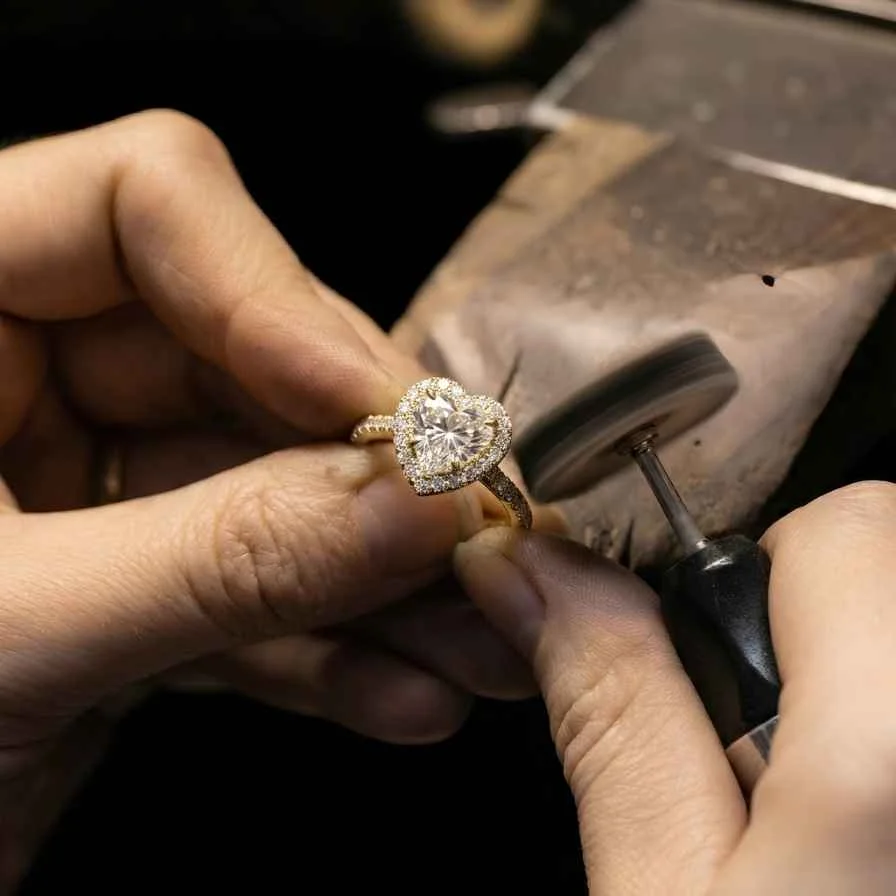
Selecting the proper jewelry maker in the USA may make a huge difference in the success of a jewelry company. As a manufacturer, it’s not just about the completed goods. They may impact product quality, product design development, manufacturing costs, delivery dates, customization choices, and a brand’s potential to grow.
But the measurement of experience should be based on relevance and not necessarily on the number of years a firm has been in business. A maker may have a lot of experience with one form of jewelry, and very little experience with another.
But the measurement of experience should be based on relevance and not necessarily on the number of years a firm has been in Jewelry Manufacturers in USA. A maker may have a lot of experience with one form of jewelry, and very little experience with another.
Understand the Jewelry Manufacturing Requirements of Your Brand
Before you start to look for a jewelry maker in the USA, it’s crucial to know exactly what your business requires. It’s easy to evaluate manufacturers and see whether their capabilities are right for your company when you have properly defined criteria.
Material uniformity is particularly crucial in the production of many batches. There should not be any visible changes in items made at various periods to customers. Good sourcing and clear material specs may assist preserve that uniformity.
The accepted sample should ideally be the baseline for bulk manufacturing. Measurements, materials, finishes and other parameters may be reviewed against the authorized version for consistency.
It is also good to know how faults are addressed. A competent manufacturer will have a defined method to detect, rectify, replace or reject items that do not meet established criteria.
Working with a manufacturer with a high quality control will assist to maintain your brand’s image and avoid unneeded returns or consumer complaints.
Compare Prices, Minimum Orders & Production Leadtimes
Price is a big factor when looking for a jewelry maker but the lowest price doesn’t always mean the greatest price. Realistic assessment should look at the whole value offered by the maker.
Production price may be affected by design complexity, materials, labor, finishing, stone setting, customisation, quantity, and packaging. Get manufacturers to explicitly outline what their quotes include.
Communication is very important in a successful jewelry making. Even a really talented manufacturer might be tough to deal with if they are sluggish to reply, confused on specs, or hesitant to provide manufacturing updates. And judge professionalism too. Written quotes, manufacturing contracts, specifications, authorized samples and recorded timeframes may assist to set clear expectations. Custom manufacturing frequently involves changes, especially in the prototype phase. The manufacturer has to be ready to talk about change and to come up with realistic answers.
Also, firms might examine how the manufacturer communicates during the first inquiry before getting into a long-term partnership. A company’s response to simple questions might give helpful information about the manner it may run future projects. Question if the firm can raise output as demand increases and the same standards of quality are maintained. A manufacturer that cannot scale might be a roadblock for a successful collection.
Good also is flexibility. Production volumes might vary with the season or product category as a developing brand. A firm able to produce both smaller test batches and bigger orders might provide more operational flexibility.
Long-term connections may further increase efficiency. If the manufacturer understands your design language, quality standards, materials and finishing preferences, less coordination efforts may be required for subsequent projects. Familiarity with these phases can help companies align their expectations and arrange new releases properly.
Creating Designs That Represent Your Personal Brand
One of the main benefits of bespoke jewelry manufacture is the potential to produce goods that are very closely related to a brand’s identity. Businesses aren’t tied to standardized designs, they may make items around their own creative approach.
Ideas and technical skills might also be provided by a competent manufacturing partner. They may recommend improvements to a design , improvements to manufacturing , methods to decrease waste , or make things last longer , without changing the original idea .
Ultimately, the correct manufacturer should be an extension of your brand’s manufacturing skills. Their job is to assist you produce items that are consistent, while providing the flexibility your organization needs to grow.
In competitive marketplaces, jewelry companies benefit from personalization with more control over product creation. A good bespoke collection may be a great way to develop an identifiable visual identity, and give your consumers something special. Then the manufacturer will get down with the brand and figure out what they want it to look like and the technical specs.
First phase, brands should supply as much information as feasible. This might include sizes, desired materials, stone specs, finishes, engraving needs, closures, textures and other design specifics. Clear standards help avoid misunderstandings and offer the maker a dependable reference.
Sampling is a key aspect of the process. A prototype enables the brand to examine and assess the real product, prior to giving the green light to manufacture at scale. Should the sample not match the requirements as far as size, weight, comfort, finishing and general look, changes might be made. Familiarity with these phases can help companies align their expectations and arrange new releases properly.
Creating Designs That Represent Your Personal Brand
One of the main benefits of bespoke jewelry manufacture is the potential to produce goods that are very closely related to a brand’s identity. Businesses aren’t tied to standardized designs, they may make items around their own creative approach.
Summary
Material selections should reflect the desired Jewelry Manufacturers in USA market. Premium collections may need specialized materials and intricate finishing, while fashion-driven items may lean toward light construction, unique hues, or cost-effectiveness.
Brands need to convey material specs to their production partners. If a special alloy, kind of stone, plating finish or surface treatment is needed, these data should be recorded before manufacture starts.
And the manufacturing procedures should be picked according to the design. Casting may be beneficial in the production of repeating forms, other processes may be more suited to thin components, complex structures or particular textures. Hand finishing may provide an extra level of polish to particular designs.
